


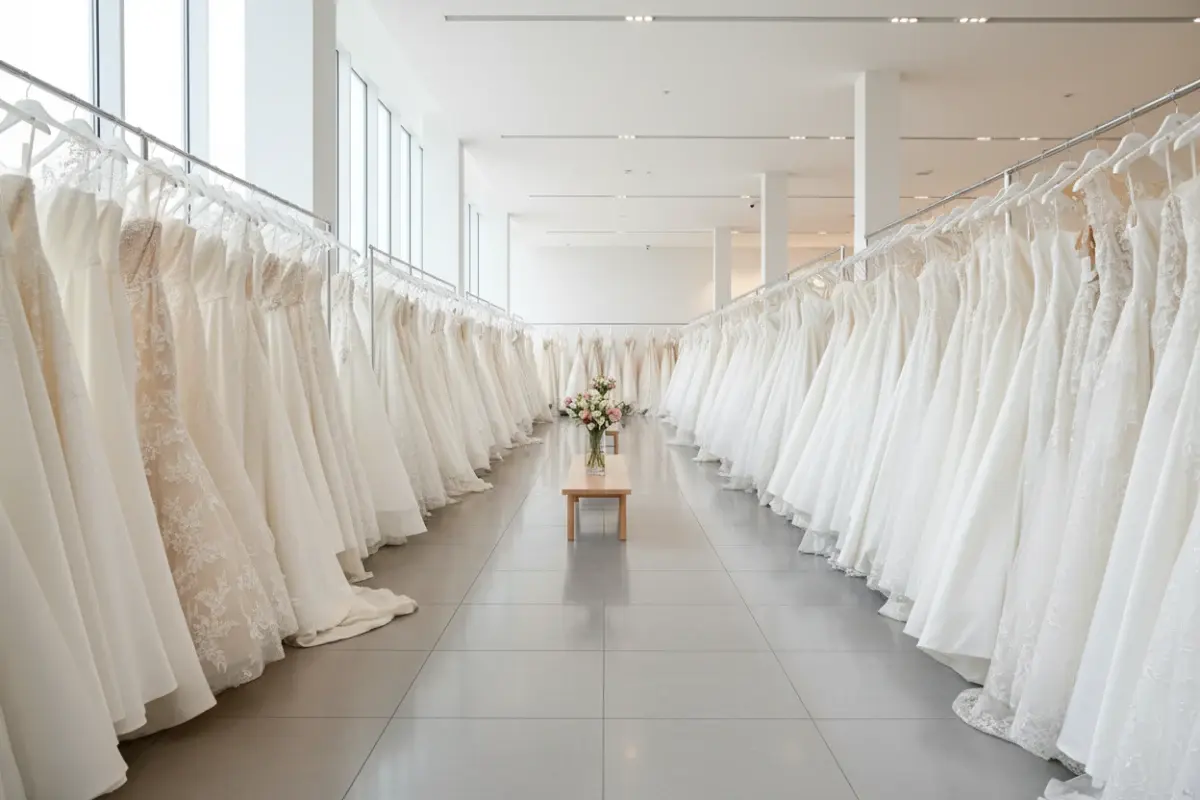
How an OEM Wedding Dress Manufacturer Brings Your Bridal Designs to Life
- Rui Tsai

- Jul 11
- 4 min read
Partnering with an experienced OEM wedding dress manufacturer streamlines the bridal production pipeline, transforming your custom tech packs into high-quality, market-ready gowns through precise sample development and consistent bulk production.
For bridal brands, independent designers, and boutique owners, translating a creative vision into physical garments can be a complex journey. Choosing the right production partner is the most critical decision you will make. By utilizing the expertise of a professional OEM wedding dress manufacturer, you ensure that your unique designs are preserved, crafted with exquisite materials, and produced at a scale that supports your business growth.
What Is an OEM Wedding Dress Manufacturer?
An OEM (Original Equipment Manufacturer) wedding dress manufacturer is a dedicated manufacturing partner that produces wedding gowns based directly on your designs, tech packs, and material specifications. Unlike ODM (Original Design Manufacturing), where you choose from pre-made factory designs, OEM manufacturing allows you to maintain 100% creative control over your collection.
Working with an OEM partner is highly beneficial for established bridal labels and emerging designers alike. It allows you to protect your proprietary designs while leveraging a factory's specialized labor, high-end sewing machinery, and established material supply chains. Additionally, an OEM wedding dress manufacturer often operates as a private label wedding dress manufacturer, sewing your branded neck labels, washing instructions, and hangtags directly into the finished garments, presenting a completely bespoke collection to your final customers.
Step 1: Decoding the Tech Pack and Design Concepts
Every flawless gown begins with precise technical documentation. When you collaborate with a professional custom wedding dress factory like Huasha, the first step is a deep dive into your design concepts. Your tech pack should ideally contain detailed technical flats, fabric preferences, embellishment placement, and an accurate size chart.
During this phase, engineering experts analyze your sketches to evaluate physical structural integrity. Bridal gowns require specialized interior engineering—such as built-in corsetry, boning channels, underwires, and multi-layered tulle skirts—to hold their shape on a real body. Our production team reviews these structural requirements, suggesting adjustments if necessary to ensure that the dress is both aesthetically spectacular and comfortable to wear.

Step 2: Fabric Sourcing and Pattern Engineering
Once the design viability is confirmed, the bridal wear production process transitions to material sourcing and pattern development. Finding the perfect fabrics is vital; the way a dress drapes, catches the light, and feels against the skin dictates its luxury value. A premier OEM wedding dress manufacturer maintains close relationships with world-class lace mills, silk weavers, and tulle producers, giving you access to premium materials at competitive price points.
Simultaneously, pattern makers convert your 2D sketches into digital 3D pattern blueprints. These patterns are graded precisely across your desired size run. Pattern engineering requires highly trained experts because even a millimeter's deviation can throw off the entire alignment of complex lace motifs or asymmetrical pleating on a bodice.
Step 3: Prototyping and Sample Fit Approvals
Before launching into full-scale production, creating a physical prototype is essential. The custom wedding dress factory crafts a sample dress using either muslin (a temporary trial fabric used for fitting) or the actual specified fabrics. This prototype serves as the ultimate test of the pattern's drape and fit.
During fit approvals, the sample is evaluated on a professional fit model. Designers check:
Silhouette Accuracy: Does the A-line, mermaid, or ballgown silhouette match the original design intent?
Structural Support: Are the cups, boning, and inner elastic bands securing the dress comfortably?
Embellishment Placement: Is the hand-beading or lace applique distributed harmoniously across the seams?
Feedback is documented, and the factory refines the pattern templates until the fit is completely perfected.

Step 4: Scaling to Bulk Production with Rigorous Quality Control
With the approved sample as our golden standard, we transition into bulk wedding gown manufacturing. This phase requires absolute consistency. Unlike ready-to-wear clothing, bridal gowns are highly complex, often requiring dozens of hours of manual labor for hand-beading, draping, and intricate lace placement.
To maintain high standards, a rigorous Quality Control (QC) protocol is integrated into every step of the bulk production process:
Fabric Pre-Inspection: Checking every roll of silk, satin, and lace for shading differences, pulls, or weave defects before cutting.
In-Line Quality Inspections: Verifying seam strength, zipper functionality, and measurement tolerances during the sewing phase.
Post-Production Hand-Finishing: Expert embroiderers hand-sew beads, pearls, and appliques, ensuring no loose threads or weak attachments.
Final Inspection and Packaging: Every gown is steamed, hung on custom bridal hangers, covered in protective garment bags, and packed securely to prevent crushing during international transit.
Why Huasha Is the Trusted OEM Partner for Global Bridal Brands
At Huasha, we have spent years refining our operations to become the ultimate OEM wedding dress manufacturer for premium global brands. We bridge the gap between high-fashion couture artistry and reliable, scalable manufacturing. Whether you are looking to launch an boutique collection or expand a multi-national bridal empire, our facility is equipped to handle your requirements with unparalleled precision.
As a versatile private label wedding dress manufacturer, we offer full-service customization from the initial pattern design to custom-branded packaging. We understand that your designs represent your brand's unique identity, which is why we enforce strict confidentiality and intellectual property protection for all custom collections.
Our streamlined bridal wear production process guarantees reliable lead times, allowing you to plan seasonal collections and trunk shows with absolute confidence. Partner with Huasha, and experience the difference that world-class craftsmanship and meticulous engineering bring to your bridal collections.
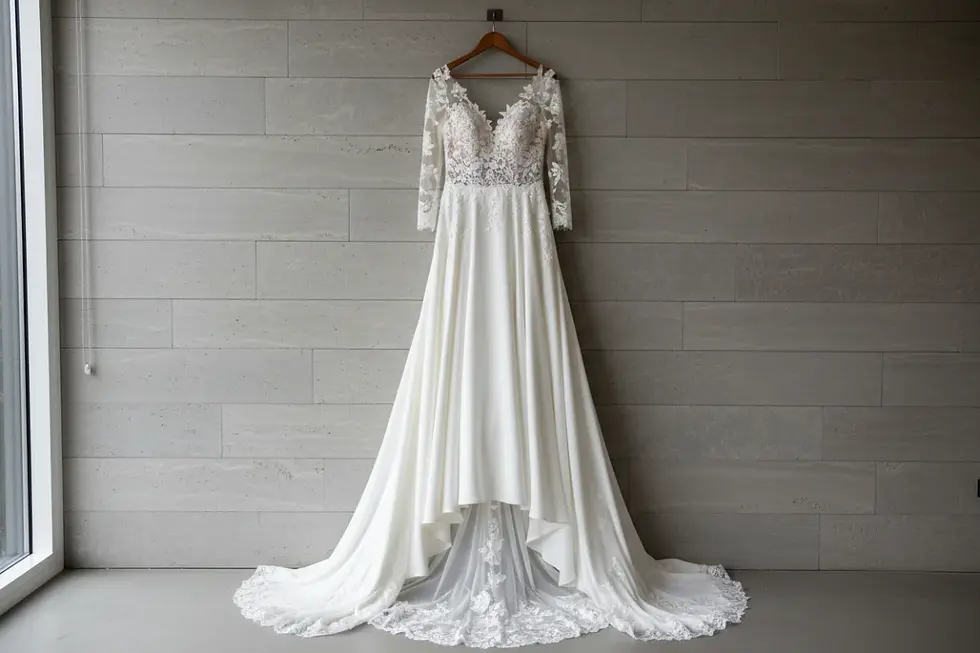
Ready to elevate your bridal brand with a manufacturing partner that values precision and premium quality as much as you do? Contact us today to discuss your OEM project and transform your design sketches into reality.
FAQ
What is the difference between an OEM wedding dress manufacturer and an ODM?
An OEM (Original Equipment Manufacturer) wedding dress manufacturer produces gowns based entirely on designs and technical specifications provided by the client (such as tech packs and design files). In contrast, an ODM (Original Design Manufacturer) designs and manufactures products in-house, which clients can then brand as their own.
Can a custom wedding dress factory accommodate custom private labels?
Yes. A top-tier custom wedding dress factory like Huasha functions seamlessly as a private label wedding dress manufacturer, adding your custom branded tags, woven neck labels, and custom packaging to your finished gowns.
What are typical lead times for bulk wedding gown manufacturing?
Standard lead times for bulk wedding gown manufacturing range between 8 to 12 weeks, depending on design complexity, material availability, and order volume. The sample phase typically takes an additional 3 to 4 weeks.


Comments