


The Hidden Cost of “Quick Fixes”: What Rush Repairs Really Do to Your Profit
- Rui Tsai

- Jan 29
- 6 min read
Last Friday, my phone rang at 4:47 p.m.
I remember the time because I’d just sat down, finally, to eat something that wasn’t cold tea and leftover noodles. On the other end was a bridal shop owner I’ve worked with for a while—smart, hardworking, the kind of person who knows every seam in her store the way a chef knows every burner.
Her voice had that tight smile in it.
“Rui… I need a favor.”
That sentence is never harmless.
A bride’s gown had a bodice issue after a rushed fitting. Someone tried a “quick fix” to stabilize it. It held—until it didn’t. Now it was Friday evening, the wedding was close, and the shop was doing the mental math every bridal shop owner knows too well:
How do I save the bride’s day…
…without blowing up my team…
…and without quietly bleeding profit I’ll never get back?
Here’s the thing: rush repairs feel like hero work. And sometimes they are.
But most of the time? They’re more like a credit card swipe you don’t look at until the statement hits. The cost is real—you just don’t see it in one clean line item.
So let’s talk about what rush repairs actually do to your profit, your schedule, and your sanity—and what to do instead.
Why “quick fixes” are so tempting (I get it)
If you run a bridal shop, you’re not selling fabric and lace.
You’re selling a moment.
Brides don’t walk in thinking, “I hope the seam allowance is consistent.” They walk in thinking, I want to feel like myself, but elevated. Like the best version of me.
So when something goes wrong—strap slipping, zipper fighting, cups shifting, lace lifting—your brain does what all good service brains do:
Fix it now. Make it feel easy. Keep her happy.
And honestly? That instinct built your business.
But here’s the trap: the faster the fix, the less time you have to think.And the less time you have to think, the more likely you are to choose a repair that:
hides the symptom instead of solving the cause
creates a new problem (hello, tension lines)
“works” for 30 minutes and fails later
Quick fixes are like duct tape on a suitcase. Fine… until you roll it through the airport.
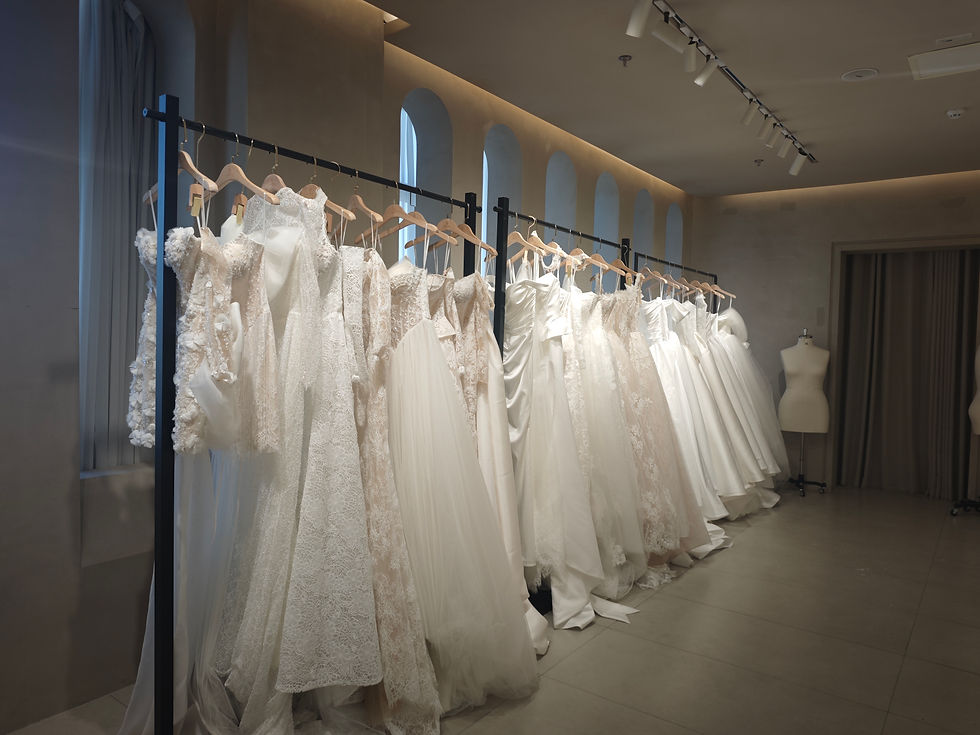
The hidden costs of rush repairs on profit and workflow
1) Rework eats your best hours (the ones you can’t replace)
The most expensive thing in your shop is not a tool or a gown.
It’s your experienced time—your senior fitter, your owner-stylist, the person who can look at a bodice and know, in two seconds, what’s actually happening.
When rush repairs show up, they don’t take any time. They take prime time.
They land in the busiest windows:
late afternoons
Saturdays
the day before a big appointment block
the exact week your team is already stretched
And rework is sneaky. It’s rarely one clean repair. It’s:
fix the fix
reinforce the reinforcement
calm the bride
reschedule the fitting
document what happened
repeat the story… again… to someone else
That’s not “a quick stitch.” That’s a schedule tax.
2) They create “mystery problems” that don’t show up until later
A rushed repair can look perfect on the mannequin and still fail on a moving human.
Because brides:
sit down
hug people
dance
breathe (inconvenient, I know)
sweat under lights
shift weight in heels
A repair that wasn’t tested through motion becomes a little time bomb.
And when it fails, it fails publicly—often in front of mom, friends, cameras, opinions.
3) They quietly increase alteration risk (even if the bride never blames you)
Here’s a hard truth: a bride might not say “your repair caused this,” but she will feel the stress.
And stress changes behavior.
A stressed bride:
asks for extra appointments “just to be sure”
second-guesses fit changes
brings more people
wants more reassurance
sends more messages
takes more of your emotional bandwidth
None of that shows up as a line item.But it absolutely shows up as reduced capacity.
4) They chip away at trust—one tiny crack at a time
Most bridal shop owners I know don’t lose clients because of one big disaster.
They lose momentum because of small disappointments that stack.
A bride can handle a problem.
What she struggles with is the feeling that the gown is becoming a project.
And once that happens, referrals get softer. Reviews get hesitant. The shop becomes “good, but…” instead of “go there, they’re amazing.”
That’s a profit leak that takes months to notice.

A story I won’t forget (and why it changed how I think about it)
A few years ago, we saw a gown come back from a partner shop for a “small” issue—beading had loosened near the waist.
The team on-site had tried to stabilize it quickly. Nothing crazy. Just a fast solution to keep the appointment moving.
But the underlying issue wasn’t the bead thread. It was the tension path.
That rushed reinforcement shifted how the fabric carried weight. Which created pulling. Which made the zipper area work harder. Which made the inside structure fight the body. Which led to a new complaint: “It feels tight when I sit.”
One tiny fix became three separate issues.
When we finally opened it up and corrected the structure properly, the shop owner said something that stuck with me:
“I didn’t realize how much energy we were spending just trying to keep the dress quiet.”
That’s what rush repairs do. They make the gown “loud.”Not visually—emotionally. Operationally. Schedule-wise.
The profit math nobody wants to do (but we should)
Let me keep this simple—no spreadsheets, no headache.
When rush repairs happen, you usually pay in three currencies:
Time (extra fittings, rework, admin, explanations)
Capacity (lost prime appointment slots)
Confidence (bride anxiety, team stress, brand trust)
Even if the repair itself takes 20 minutes, the wake behind it can be hours.
And those hours come from somewhere:
fewer new appointments
less time for sales follow-up
less time for styling that actually converts
less energy for content, partnerships, and growth
So yes, the bride’s problem gets solved.
But your business quietly pays the bill.
The most common “quick fixes” that backfire
I’m not judging—these are common because they work fast.
But they often create bigger downstream issues:
Over-tightening straps to stabilize a bodice (comfort drops; posture changes; neckline shifts)
Aggressive pinning without checking motion (sitting test reveals strain later)
Last-minute tack-down of lace/appliqué without reinforcing the load points (lifts later)
“Just steam it harder” when the issue is actually structure and balance (wrinkles return)
Shortcuts on zipper tension (zippers don’t forgive stress)
Quick fixes are usually “fast” because they avoid the real cause: fit balance + structure + tension distribution.
That’s not dramatic. It’s just physics.
A simple decision tree: repair, redo, or reset the timeline
When you’re in the moment, it helps to have a clean rule.
Here’s the one I suggest to partner shops:
Choose a repair if:
the issue is cosmetic and isolated
the fix can be tested through motion in the same appointment
it doesn’t change the structure or weight-bearing areas
Choose a redo (proper correction) if:
the issue involves support, lift, or tension
the bodice is “fighting” the body
the fix requires layering quick fixes on top of each other
you can’t confidently test it in motion
Choose to reset the timeline if:
the bride is emotionally flooded (nothing lands when someone’s panicked)
the gown needs controlled work, not in-the-moment improvising
you need the right hands and the right conditions
Resetting the timeline sounds scary, but it can actually increase trust when you frame it like a professional:
“I want this to feel effortless on you. That means doing it correctly, not quickly.”
Brides understand “correct.” They don’t love “quick” when it risks their day.
How to prevent rush repairs without losing the “we’ll take care of you” magic
You don’t have to become cold or rigid.You just need a system that protects your team.
1) Build one “pressure-release valve” into your week
Pick a small block of time that’s intentionally reserved for last-minute issues. Not a full day. Even a short, protected window helps.
2) Use a motion test every single time (even when you’re busy)
Yes, even then.
Have the bride:
sit
lift arms
take a deep breath
walk a few steps
do a gentle twist
If the gown changes behavior, your repair isn’t stable yet.
3) Document the root cause in plain words
Not a novel. Just one sentence:
“Tension at zipper due to waist sitting high.”
“Support issue: bodice sliding because balance is forward.”
“Strap is compensating for cup position.”
This stops the “telephone game” between team members.
4) Give your staff one permission phrase
Your team needs language that protects them when the room gets intense:
“I can do a quick temporary hold today, but the correct fix needs proper time so it stays comfortable.”
That sentence saves businesses.
FAQ: rush repairs in bridal shops
Why do rush repairs fail more often than planned work?
Because the root cause often isn’t obvious in the moment, and the repair isn’t tested through real movement—sitting, breathing, walking, dancing.
Are rush repairs ever worth it?
Yes—when the issue is small, isolated, and you can fully test it in motion. If it touches structure or support, “fast” usually gets expensive.
What’s the biggest hidden cost of rush repairs?
Rework. Not the first repair—the second, third, and fourth round, plus the schedule disruption and added bride anxiety.
How do I tell a bride we need more time without sounding unhelpful?
Use “correct” language, not “delay” language:“I want this to feel effortless and secure. That means doing it correctly so it holds through the whole day.”
The takeaway I wish more shop owners heard earlier
If you remember one line, make it this:
Speed feels generous in the moment. Consistency is what makes you profitable.
You can still be the shop that saves the day—without making your team pay for it in stress and lost capacity.


Comments